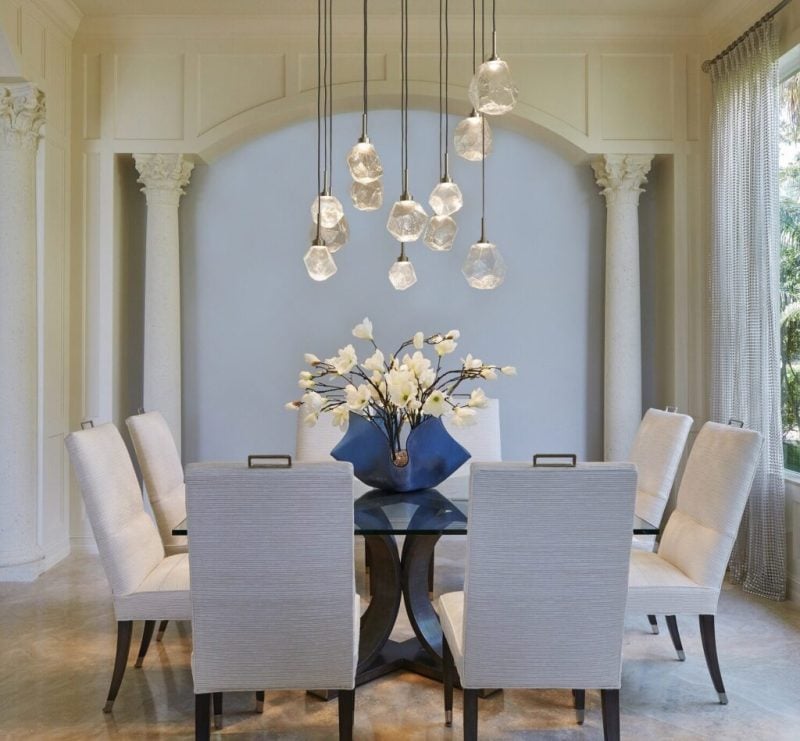
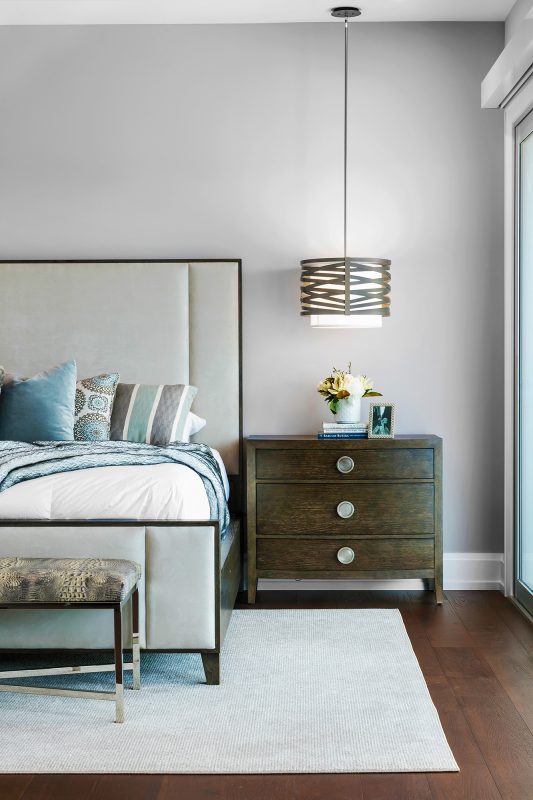
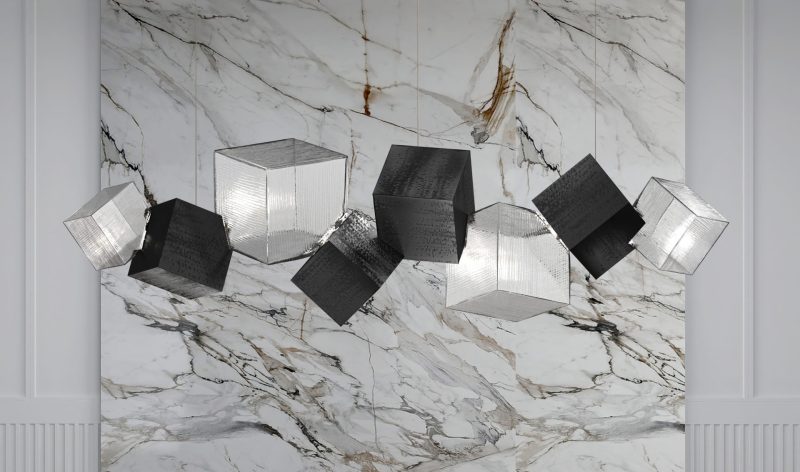
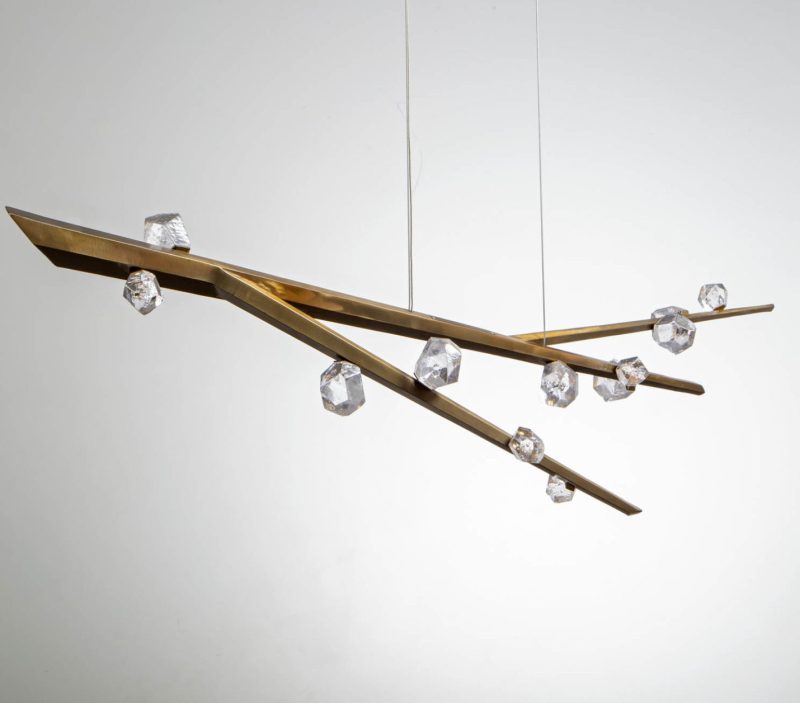
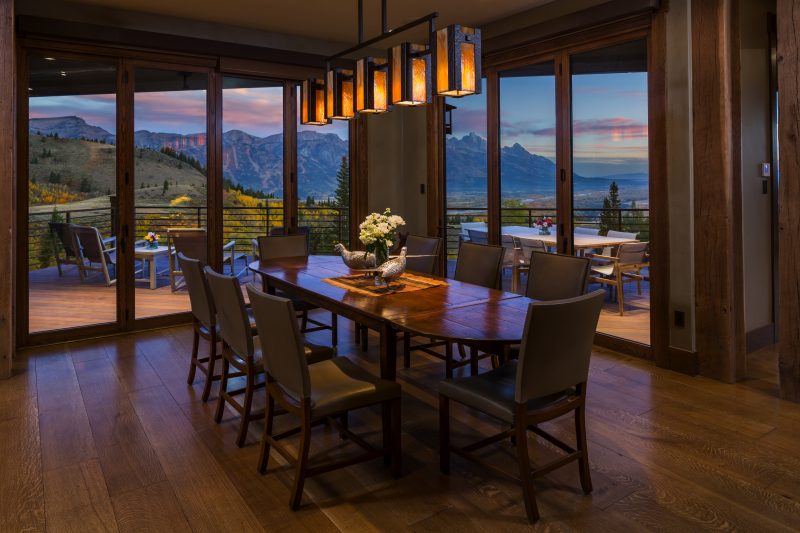
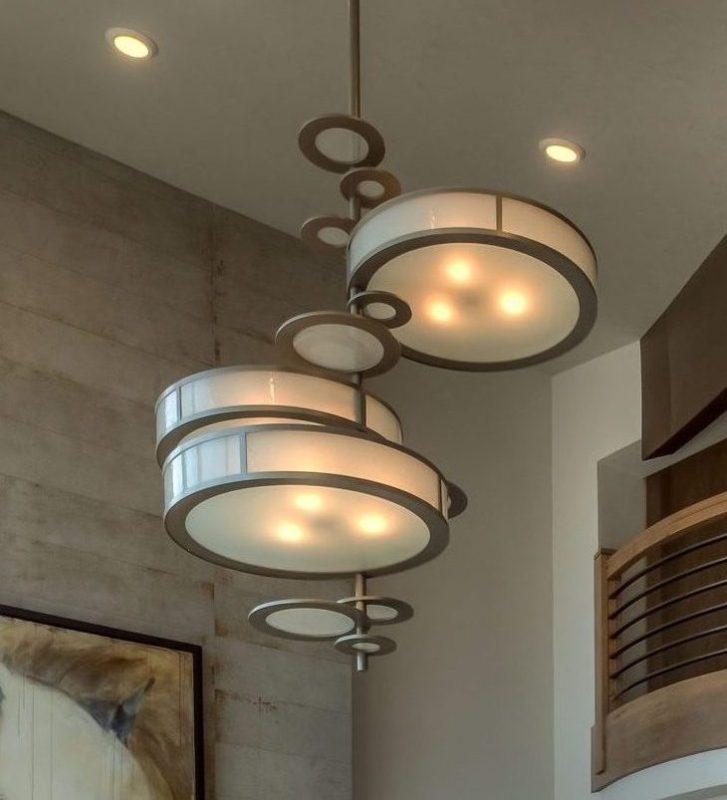
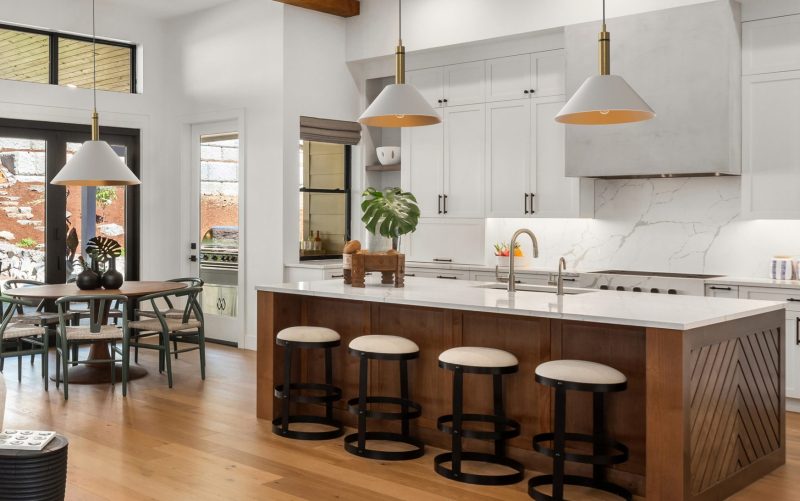
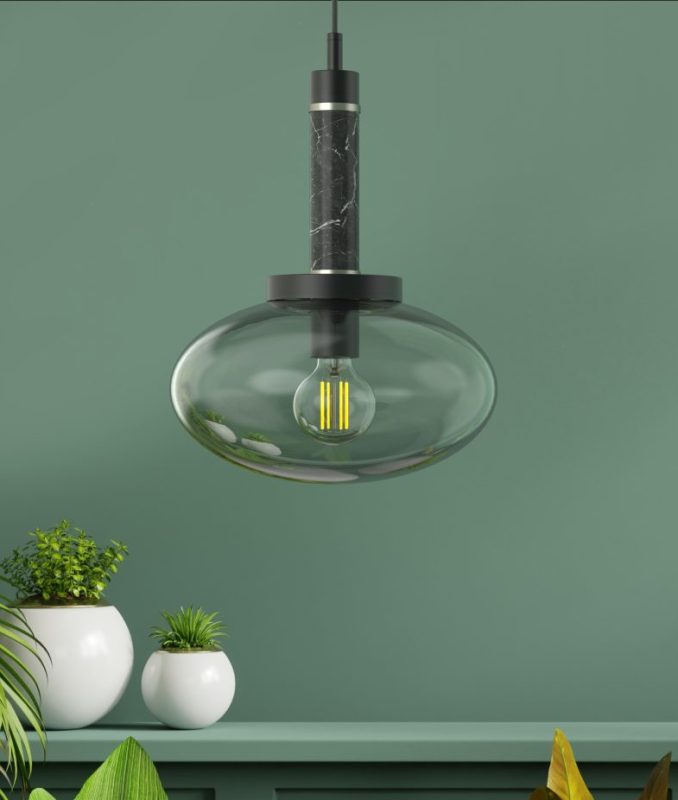
Some materials don’t need to be invented—they only need to be honored. Marble, travertine, and ceramic have shaped the world’s most enduring spaces for millennia. At Hammerton, we bring these elemental materials into the realm of light, pairing their natural complexity with handcrafted precision to create fixtures that feel genuinely alive. Every vein, every porous hollow, every fired glaze tells a story older than design itself.
Marble: Drawn from the Earth, made for the room
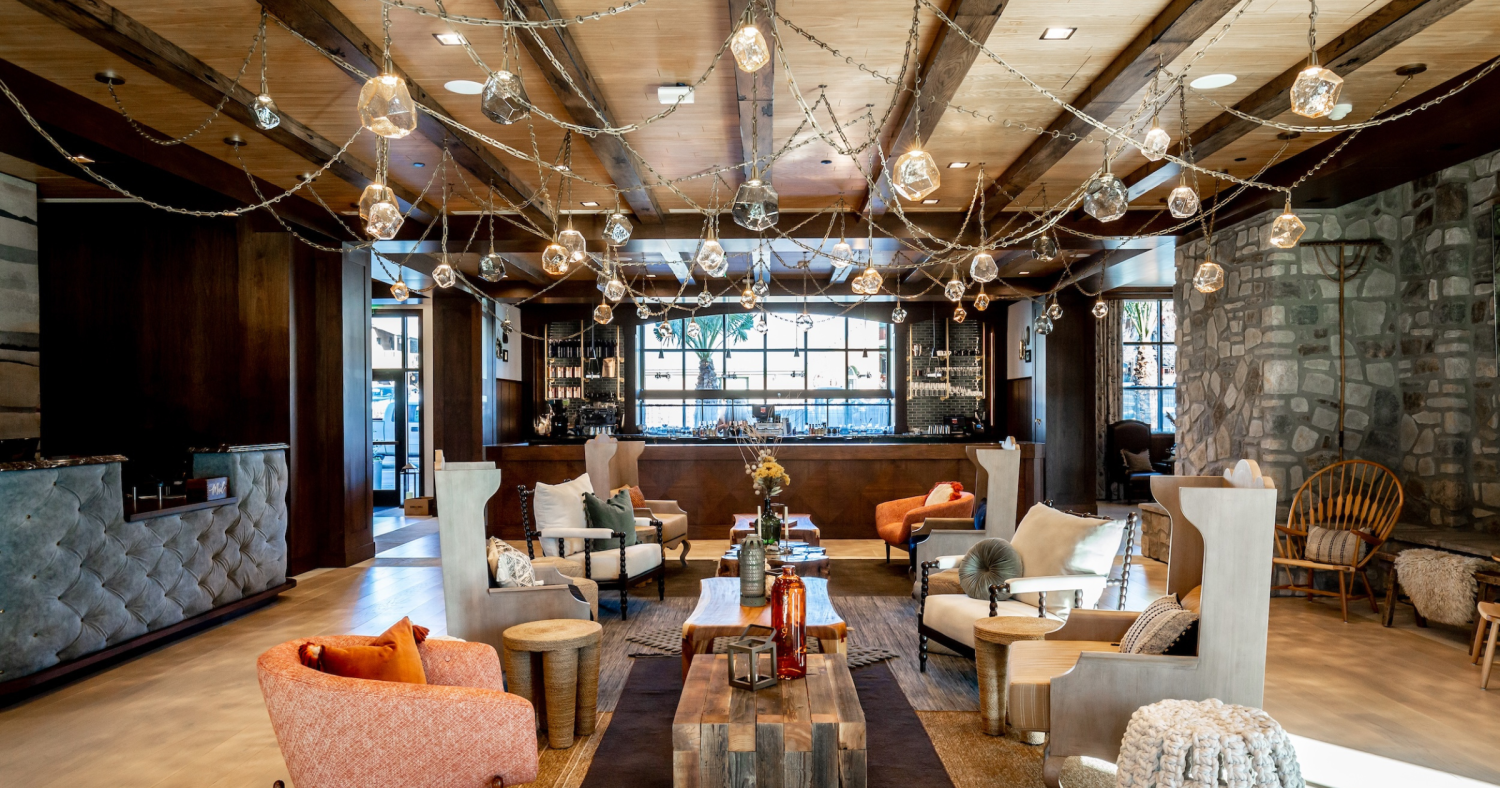
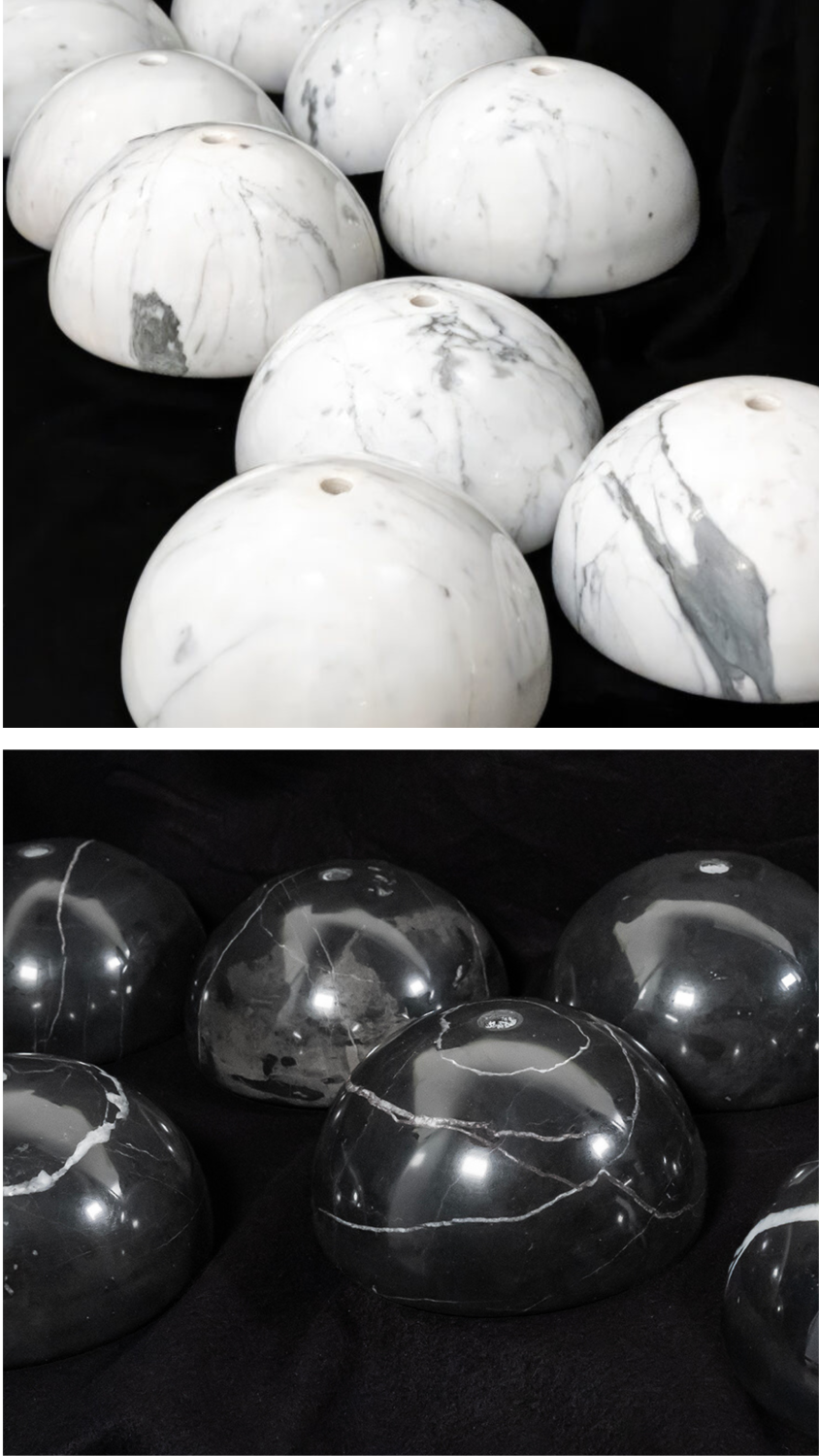
Hammerton works with stone in two expressions: white marble and black marble. White marble brings a luminous surface with soft tonal variation and sweeping veins that catch light gently. Black marble commands with deep contrast—veins of white and grey moving across a richly dark ground. Both are nature-made, with variability in color, veining, and surface character inherent to every piece. These inclusions are not imperfections—they are the material’s signature. No two pieces of natural stone are ever alike. No two Hammerton fixtures that incorporate marble ever will be, either.
We work with marble not to tame it, but to honor what it already is. Whether anchoring a dramatic dining room chandelier or lending quiet sophistication to a wall sconce, marble brings a depth and warmth to light that no engineered material can replicate. Under illumination, its subtle translucency shifts—morning light reads differently than candlelight, and a marble fixture becomes a living element of your interior, changing as the day does.
For designers, marble signals intention. It communicates permanence, heritage, and a level of material investment that clients immediately recognize and appreciate. For homeowners, it transforms a fixture from a functional object into something closer to an heirloom—a piece that earns its place in a room rather than simply filling it.
Travertine: The beauty of time, made visible
Hammerton works with travertine in its most natural form. Its open, porous texture and warm palette of creamy ivories, dusty taupes, and soft ambers are the result of thousands of years of geological process. No engineered material can authentically replicate what time itself has made.
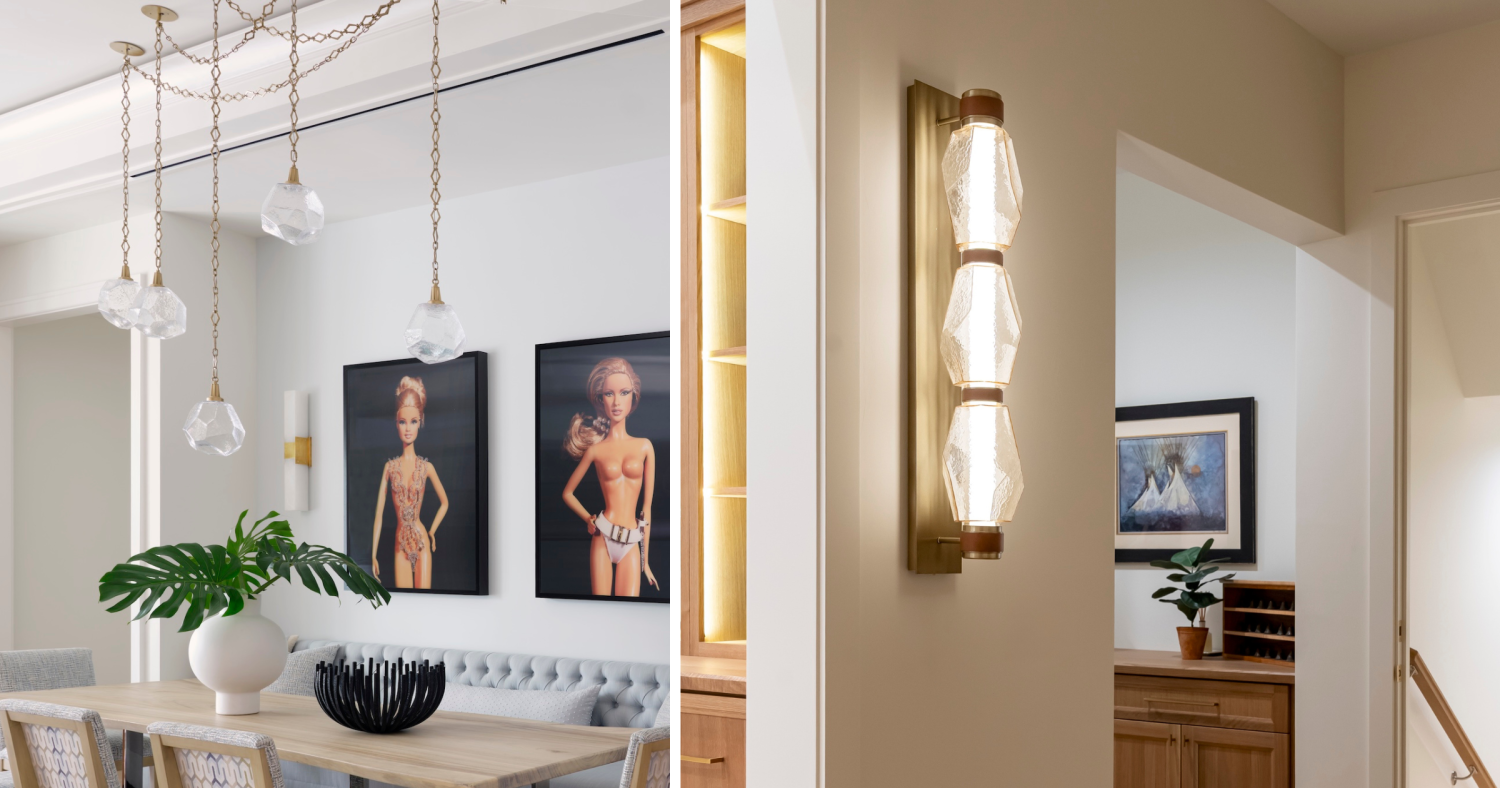
Travertine has shaped some of the world’s most enduring architecture—it clad the Colosseum, it paved the streets of Pompeii—and that same material now belongs in your lighting. There is a reason it has never gone out of use: its cellular surface catches and diffuses light in ways smooth stone never could. Shadow settles into its natural voids. Illumination lifts its ridges. A travertine fixture reads differently at every hour of the day, which is another way of saying it never stops being interesting.
Ceramic: Where fire meets form
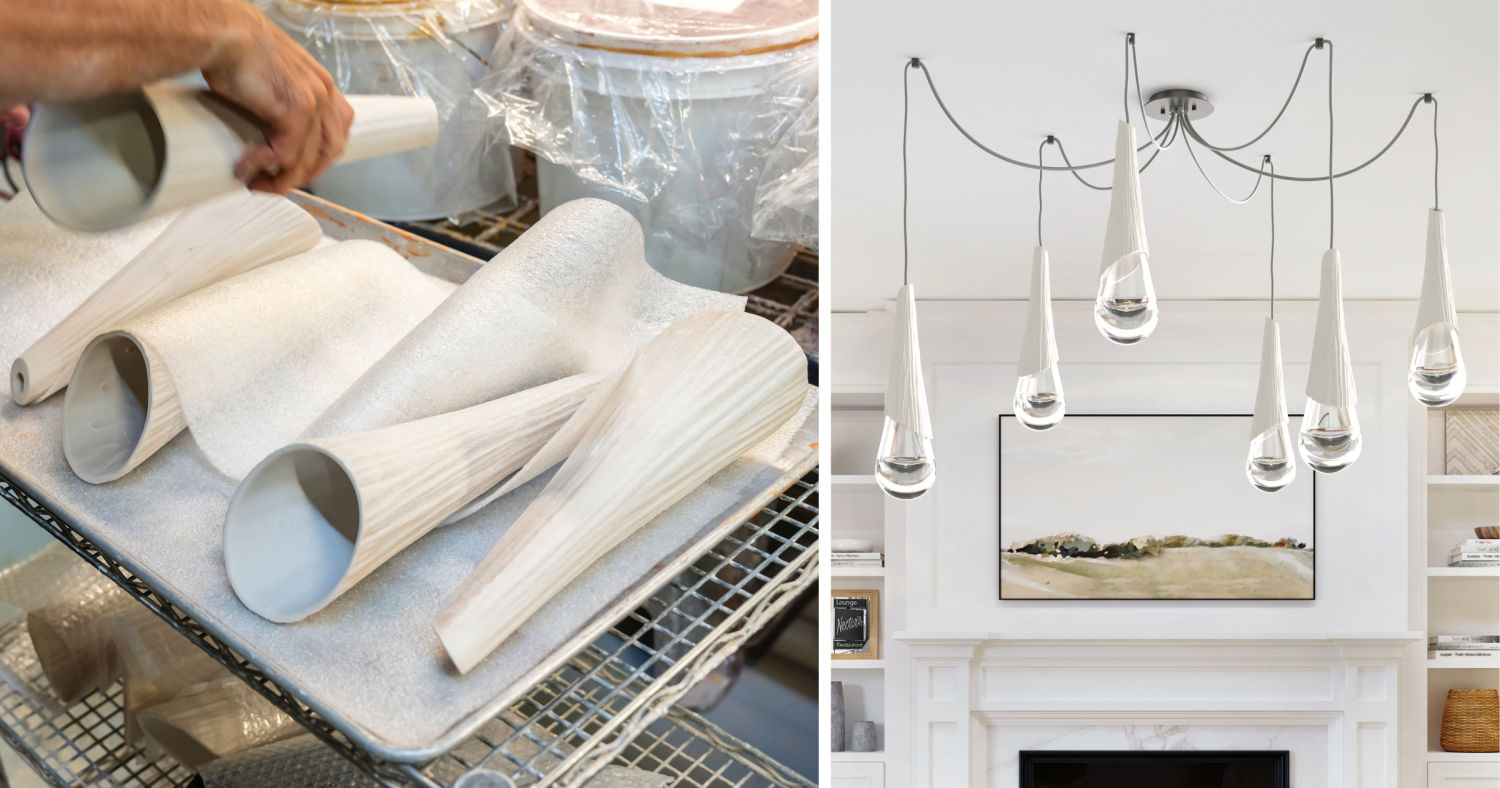
Ceramic is one of the oldest human-made materials still in widespread use, shaped by hand and transformed by fire. We introduced ceramic into our material palette to bring texture, depth, and organic design into lighting in a way that feels accessible and highly considered. Each ceramic component is unglazed, allowing the natural surface of the fired clay to speak for itself.
That raw, matte quality is the point. Unglazed ceramic absorbs light rather than reflecting it, creating a warmth and depth that polished or painted surfaces simply cannot achieve. The texture is visible, tactile, and honest—every variation in the surface is a record of how the piece was made.
Ceramic brings something rare to a light fixture. It grounds a room with the kind of presence and solidity that few materials can offer, while remaining light enough to go where stone never could. And because it is shaped from the earth rather than engineered to resemble it, it carries a quiet permanence that outlasts any trend.
Why natural materials matter
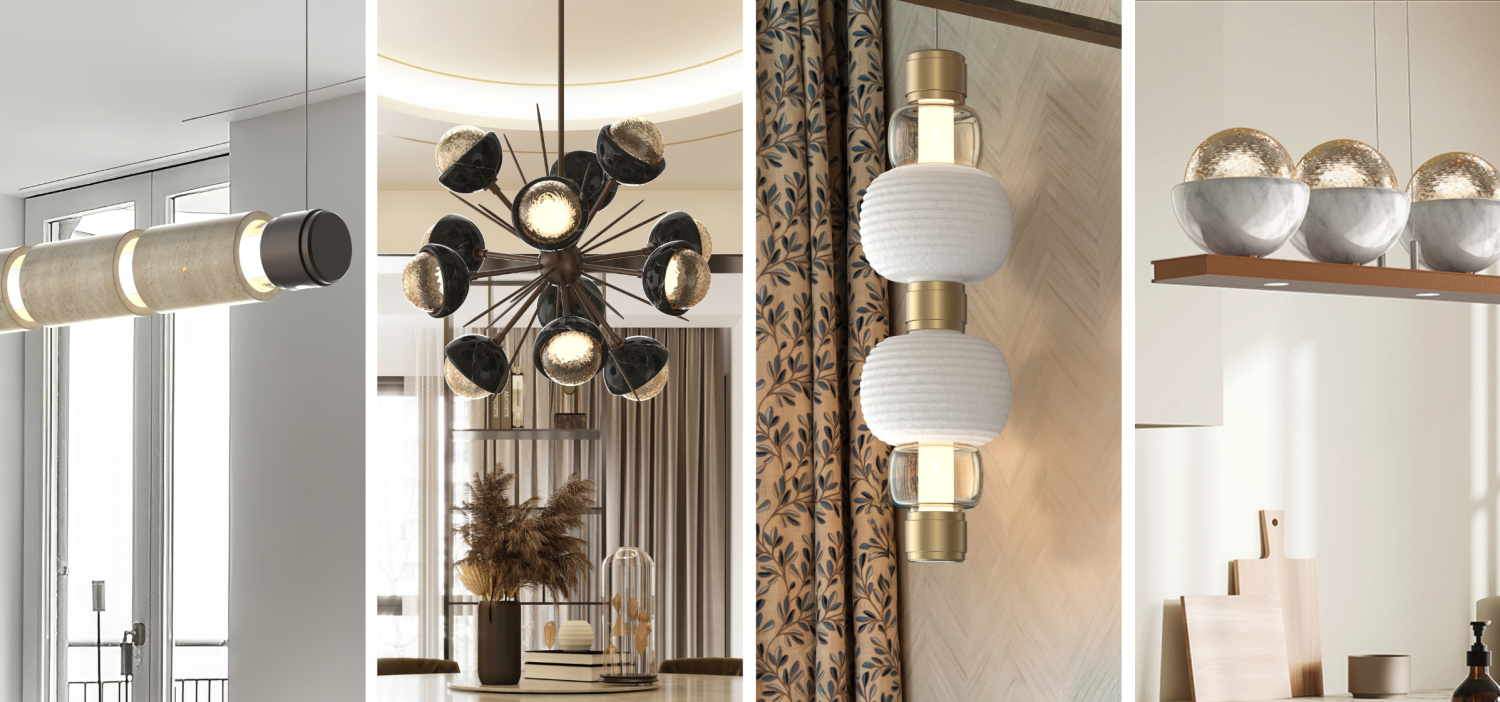
In a market saturated with manufactured finishes and machine-pressed textures, natural materials carry a kind of honesty that’s increasingly rare and valuable. When a client stands beneath a fixture and asks why it commands the attention it does, the answer is almost always the material. Marble formed over millions of years. Stone laid down by ancient water. Clay shaped by a human hand and changed forever by fire.
These are not effects, they’re origins. And that distinction matters to the designers, builders, and homeowners who are creating spaces meant to endure in both beauty and function.